Ever felt like your WordPress website should be attracting more local customers, but search rankings just aren’t shifting? You’re not alone. Many UK small businesses invest time and money into their sites, only to see competitors leap ahead. The secret isn’t just having a site – it’s following a proven, step-by-step SEO process designed for UK audiences. Here’s how you can finally take control.
Key Takeaways
- Consistent, high-quality publishing is the number one driver of organic growth for WordPress sites in the UK.
- Following a structured SEO checklist ensures every optimisation step is covered—technical, on-page, and local.
- Local SEO techniques and keyword research tailored for UK audiences are essential for ranking in British search results.
- Automated, fully managed solutions like WordPress-SEO.co.uk save time and deliver results from just £49/month.
- Optimising for both Google and AI search ensures long-term visibility in a changing digital landscape.
Why Every UK Business Needs a WordPress SEO Checklist
Understanding the SEO Challenge for UK SMEs
For UK businesses, appearing in local search results is make-or-break. Nearly 90% of UK consumers use Google to find local services, yet only those on the first page get significant traffic. With over 40% of the web powered by WordPress, competition is fierce. A checklist ensures you’re not missing critical technical SEO or local optimisation steps that could cost you customers.
Benefits of a Checklist-Driven Approach
Using a WordPress SEO checklist for UK businesses means nothing falls through the cracks. It guides you through keyword research for UK businesses, content optimisation for British audiences, technical SEO for WordPress in the UK, and local SEO techniques for UK firms. This systematic approach helps you consistently improve search rankings in the UK and stay ahead of competitors who rely on guesswork.
The Complete WordPress SEO Checklist for UK Businesses
1. Technical SEO for WordPress in the UK
Begin with a strong technical foundation. Host your site with a UK-based provider for optimal speed and GDPR compliance. Ensure your domain uses HTTPS, and verify your site is mobile-optimised—a Google ranking factor since 2019. Submit your sitemap to Google Search Console and Bing Webmaster Tools, and check your robots.txt file isn’t blocking essential pages.
Install one of the top WordPress SEO tools for UK market such as Yoast SEO or Rank Math. These plugins help you manage on-page SEO for WordPress sites, automate meta data, and add advanced schema markup. Enable automatic updates for WordPress, plugins, and themes to keep your site secure and running smoothly.
2. On-Page SEO Best Practices for WordPress
Every page and blog post should target a unique, well-researched keyword relevant to your UK audience. Use British English throughout, including spelling and grammar. Craft SEO-friendly titles (under 60 characters) and meta descriptions (under 155 characters) with your target keyword and a local modifier if relevant (e.g., "Solicitor in Leeds").
Structure content with heading tags (H1 for the page title, H2/H3 for sections) and break up text with bullet points, tables, and images. Optimise images by compressing them and adding descriptive, keyword-rich alt text. Internal linking is vital—connect related articles and service pages to guide both users and search engines through your site. Add schema markup for articles, products, and services to boost your presence in Google’s rich results.
Local SEO Techniques: How to Optimise WordPress for Local Search
3. Local SEO Strategies for UK Businesses
Most UK consumers look for services near them, so local SEO is non-negotiable. Start by claiming and verifying your Google Business Profile. Use a consistent NAP (Name, Address, Phone) across your website, directory listings, and social profiles. Embed a Google Map on your contact page, and mention your service area or city across your site—especially in your homepage title, headings, and meta description.
List your business on high-authority UK directories such as Yell.com, Thomson Local, and local Chamber of Commerce sites. Encourage satisfied customers to leave reviews, as positive Google reviews directly impact local rankings. Use LocalBusiness schema to help search engines understand your company’s UK location and services.
4. Leveraging UK-Specific Content and Internal Links
Create location-specific landing pages if you serve multiple areas. For example, "WordPress SEO in Manchester" or "Web design for London shops". Write blog posts answering common questions from UK customers, such as "What does GDPR mean for small businesses in the UK?" or "How to optimise your site for British holidays". Link these posts to your core service pages to strengthen site structure and topical authority.

Keyword Research and Content Optimisation for UK Audiences
5. Keyword Research for Local and National Reach
Effective keyword research for UK businesses starts with understanding how your audience searches. Use tools like Google Keyword Planner, SEMrush, or Ahrefs to find high-intent, UK-specific terms. Focus on local intent ("accountant in Birmingham"), service modifiers ("emergency", "affordable"), and long-tail questions. Don’t overlook regional spelling differences—British English is key for UK audiences.
Regularly review competitors’ sites to identify keyword gaps. If they’re ranking for "best WordPress agency London", create better, more comprehensive content targeting that phrase. Revisit your keyword strategy quarterly to adapt to seasonal trends and changes in search behaviour.
6. Optimising Content for UK Search and AI Search
Content must be genuinely useful for your audience, not just optimised for Google. Answer real customer questions, provide actionable advice, and reference UK-specific regulations or trends when relevant. Use your primary keyword naturally 6–8 times per page, and sprinkle in related phrases like "WordPress optimisation guide" or "SEO tips for UK websites". Add internal links to topic clusters, making your site easier to navigate and boosting topical authority.
Don't just optimise for Google—consider how your content might appear in AI-powered search tools such as ChatGPT or Gemini. Well-structured, FAQ-rich content stands a better chance of being referenced and cited by these platforms.
Technical SEO for WordPress: Advanced Tips for UK Businesses
7. Site Speed, Mobile, and Security
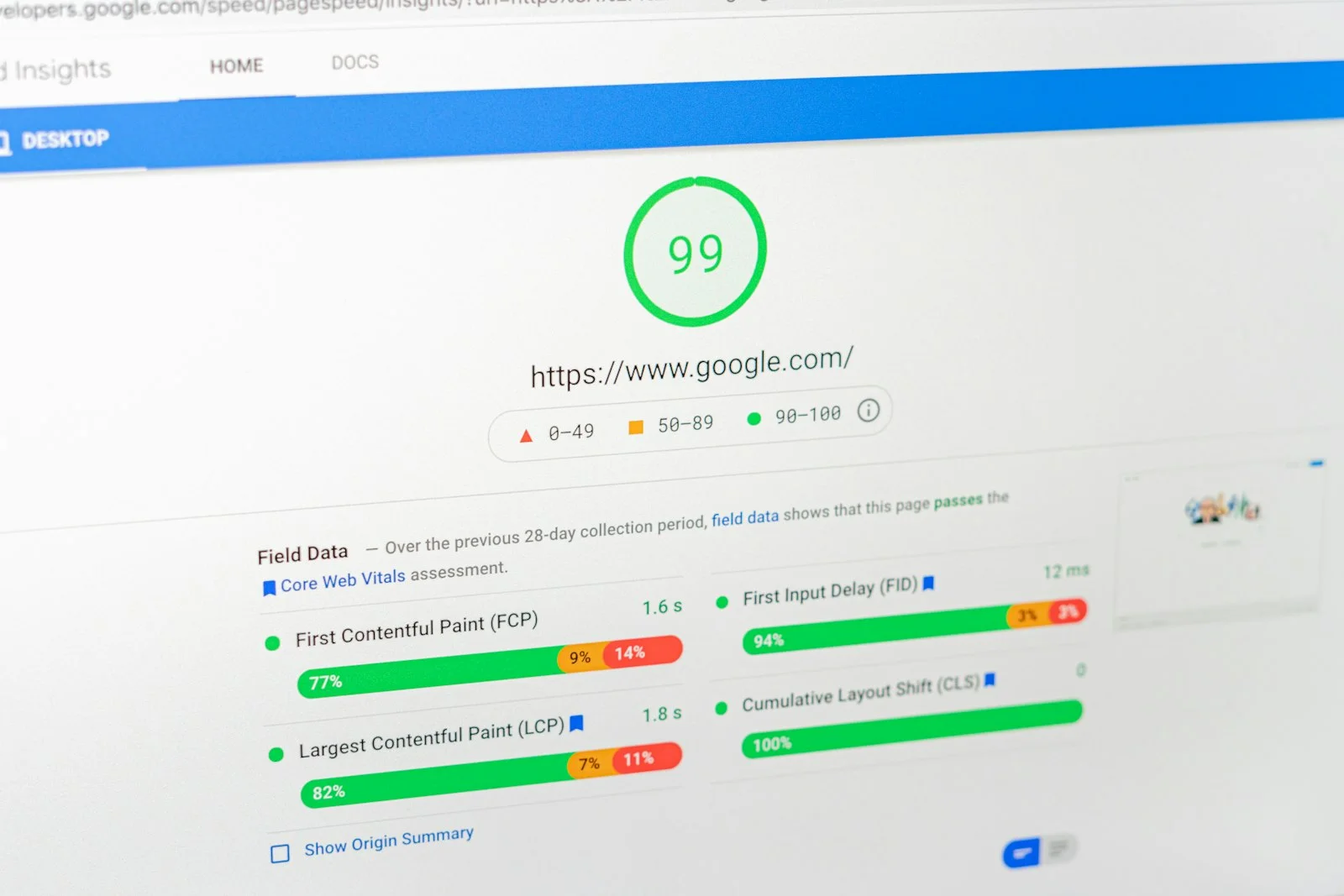
Fast-loading websites rank higher and convert more visitors. Use a UK-based CDN, optimise images, and minimise use of heavy plugins. Test your site’s speed with PageSpeed Insights and address any red flags. Ensure your site is fully mobile responsive, as over 70% of UK searches are now made on mobile devices. Use strong, unique passwords and two-factor authentication to protect your site from hacks.
8. Accessibility and Legal Compliance
Make your site accessible to all users by following WCAG 2.1 guidelines—use clear fonts, sufficient colour contrast, and alt tags for every image. Display your privacy policy and cookie consent, especially important for UK GDPR compliance (ICO guidance). Not only is this a legal requirement, but it also builds trust with British customers and can prevent costly fines.
DIY, Agency or Managed: Comparing WordPress SEO Options in the UK
SEO Pricing and Service Comparison
UK agency prices for managed SEO start at £200/month for basic packages and can reach £5,000/month or more for enterprise campaigns. These include keyword research, on-page and technical SEO, and content creation. DIY plugins like Yoast and Rank Math are cheaper but require substantial effort and expertise. WordPress-SEO.co.uk, starting from just £49/month (with a £1 trial), offers a fully managed, automated alternative—handling keyword research, article writing, on-page SEO, and scheduling, all published directly to your WordPress site via the REST API. This is a fraction of typical agency retainers, making it ideal for UK small businesses who want results with minimal time investment.
| Service Type | Typical Monthly Cost | Time Commitment | Key Features |
|---|---|---|---|
| DIY Plugins | £0–£49 | High (self-managed) | On-page checks, no content, no strategy |
| Traditional Agency | £200–£5,000+ | Low (hands-off) | Bespoke strategy, managed content, outreach |
| WordPress-SEO.co.uk | From £49 | Very Low (fully managed) | Automated keyword research, content, on-page SEO, direct publishing |
Choosing the Right Approach for Your UK Business
If you’re a hands-on marketer with the time and technical know-how, DIY may work. For those wanting a 100% hands-off approach without the agency price tag, managed automated solutions like WordPress-SEO are a game-changer—ensuring all best practices are followed, content is optimised for UK audiences and AI search, and your site is regularly updated to drive growth.
Frequently Asked Questions
What is the best WordPress SEO plugin for UK businesses?
Yoast SEO and Rank Math are both excellent, offering support for British English and local SEO options. For a completely hands-off approach, WordPress-SEO.co.uk manages plugins and all optimisation for you, tailored to UK business needs.
How often should I publish new content for WordPress SEO?
Publishing at least once per week is ideal. Consistent, high-quality content signals to Google that your site is active and authoritative, especially important for UK search rankings and AI-powered search platforms.
Why is local SEO important for UK businesses?
Over half of all UK Google searches have local intent. Optimising for local SEO helps your business appear in map packs, "near me" searches, and local directories—driving targeted customers to your site and premises.
How do I ensure my WordPress site is GDPR compliant?
Display a privacy policy, use cookie consent tools, and only collect necessary user data. Refer to the ICO guidelines for UK-specific requirements. Regularly audit your site for compliance.
Does WordPress-SEO.co.uk work for all UK business types?
Yes, WordPress-SEO is designed for local UK businesses, professionals, trades, and e-commerce sites—anyone using WordPress who wants to improve search rankings without hiring an agency or writing content themselves.
Following this WordPress SEO checklist for UK businesses is the surest way to boost your visibility, attract more local customers, and futureproof your site for both Google and AI search. Want a fully managed, automated solution for a fraction of agency pricing? Try WordPress-SEO.co.uk from just £1 and see real results—no contracts, cancel anytime.